Exploring 3D Gradient Geometry: A Versatile Tool for Creative Projects
3D Gradient Geometry is a unique and visually striking design element that has gained significant attention in the creative community. This innovative approach to geometric shapes combines the dynamic nature of gradients with the three-dimensional depth, creating a versatile and eye-catching visual style. Whether you are a professional designer, a small business owner, or a hobbyist, 3D Gradient Geometry can add a modern and sophisticated touch to your projects.
Understanding 3D Gradient Geometry
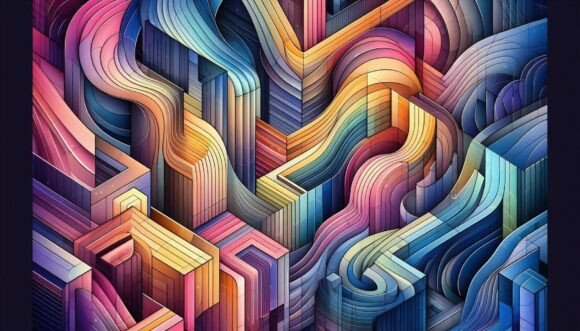
At its core, 3D Gradient Geometry involves the use of gradient colors applied to geometric shapes, giving them a three-dimensional appearance. This technique not only enhances the visual appeal but also adds a sense of depth and movement to static designs. The key characteristics of 3D Gradient Geometry include smooth color transitions, sharp edges, and a lifelike, almost tactile quality that can transform simple shapes into compelling visuals.
The Practical Value of 3D Gradient Geometry
One of the primary strengths of 3D Gradient Geometry is its versatility. It can be used in a wide range of applications, from digital illustrations and website graphics to print materials and product designs. The high-resolution and commercial-use-friendly nature of these files make them ideal for various professional and personal projects. Here’s how 3D Gradient Geometry can be particularly useful:
- Create Marketing Materials: Use 3D Gradient Geometry to design eye-catching brochures, flyers, and posters that stand out and capture the audience's attention.
- Website Illustrations: Enhance your web pages with unique and engaging graphics that improve the overall user experience and aesthetic appeal.
- Cards and Invitation Design: Add a modern and elegant touch to invitations, greeting cards, and other stationery items.
Quality and Usability
The 3D Gradient Geometry package includes 10 high-resolution JPEG files, ensuring that the images are crisp and clear, even when printed at large sizes. The high-quality resolution makes these files suitable for both digital and print applications, providing flexibility and consistency across different platforms. Additionally, the commercial use license allows you to use these assets in a variety of professional settings without any legal concerns.
Flexibility and Consistency
3D Gradient Geometry offers a high degree of flexibility, allowing you to integrate these elements into various design tools and platforms. For instance, you can easily import these files into Canva to create stunning social media posts, or use them in Procreate for more detailed and intricate designs. The consistent quality and style of the 3D Gradient Geometry files ensure that your projects maintain a cohesive and professional look.
Real-World Applications
Beyond traditional graphic design, 3D Gradient Geometry can be applied to a wide array of physical products. For example, you can use these designs for mugs, tumbler wraps, and clothing items like T-shirts, hoodies, and sweatshirts. The vibrant and dynamic nature of 3D Gradient Geometry makes it especially appealing for fashion and lifestyle brands looking to create a bold and modern image. Additionally, these designs can be used for bags, vinyl stickers, and other printable decorations, adding a unique and artistic touch to everyday items.
Who Can Benefit from 3D Gradient Geometry?
3D Gradient Geometry is particularly beneficial for professionals, entrepreneurs, and creators who need high-quality, visually appealing design elements. Marketers and small business owners can leverage these designs to create impactful marketing materials and enhance their brand identity. Bloggers and publishers can use 3D Gradient Geometry to add a fresh and modern look to their content, while educators can incorporate these elements into teaching materials to engage students and illustrate concepts more effectively.
Possible Limitations and Considerations
While 3D Gradient Geometry offers numerous advantages, it's important to consider its limitations. For instance, the fixed nature of the JPEG files means that you cannot edit the individual elements or change the colors. However, this can be mitigated by using the files as a base and overlaying additional design elements or text. Additionally, while the 3D effect is visually striking, it may not be suitable for all design styles, particularly those that require a more minimalist or traditional approach.
Conclusion
Overall, 3D Gradient Geometry is a valuable and versatile tool for anyone involved in creative and professional design. Its high-quality, flexible, and visually appealing nature makes it an excellent choice for a wide range of projects, from digital illustrations to physical products. By understanding its strengths and potential limitations, you can effectively integrate 3D Gradient Geometry into your workflow and create standout designs that resonate with your audience.